A Beginner's Guide to Travelling in a Motorhome
 Julia
JuliaUpdated at: 28/01/2026
Reading time: 5 minutes
A holiday in a motorhome just feels different to other kinds of holidays. There’s a certain kind of freedom you get from it that can’t be matched. It can be pretty daunting at first, but once you know the basics, do a bit of research and have been on the open road, you will wonder why you didn’t book one sooner. That's why we put together some tips camping to help new travellers set off through CamperDays and help your trip run smoothly. Here are our tips to know before you turn the key and start travelling in a motorhome.
1. Book early for the best deals.
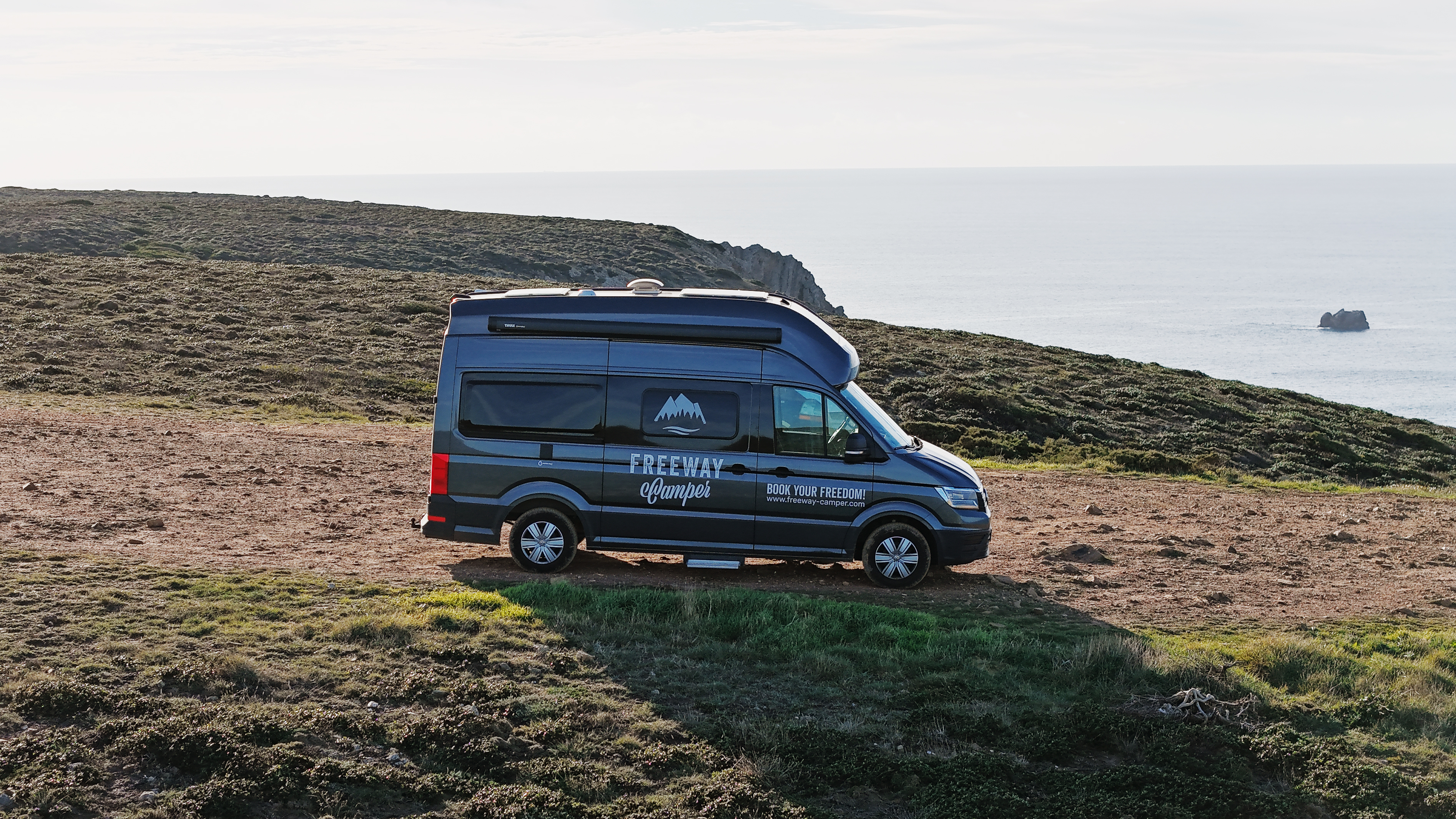
There has been a significant increase in travelling in a campervan since 2020 and the covid pandemic, leading to bookings filling up months in advance. This isn’t just for the summer months, the same is true for Spring and Autumn as well. We like to think of it as booking flights with the earlier you book, the more choices and better prices you will get.
A campervan that costs £100 a night in March can jump to £200 per night in July. Don’t get caught out by this, by the time summer comes, all the good motorhomes will probably be booked up.
Camperdays has a comparison tool that lets you easily see the prices (so you don't get caught out) and the different types of motorhomes available. This makes planning much easier and helps you save money!
We recommend booking 6-8 months ahead for the summer
Early booking gives you the best choice of vans and deals
Prices will be expensive for last-minute bookings
2. Pick a Route That’s Easy
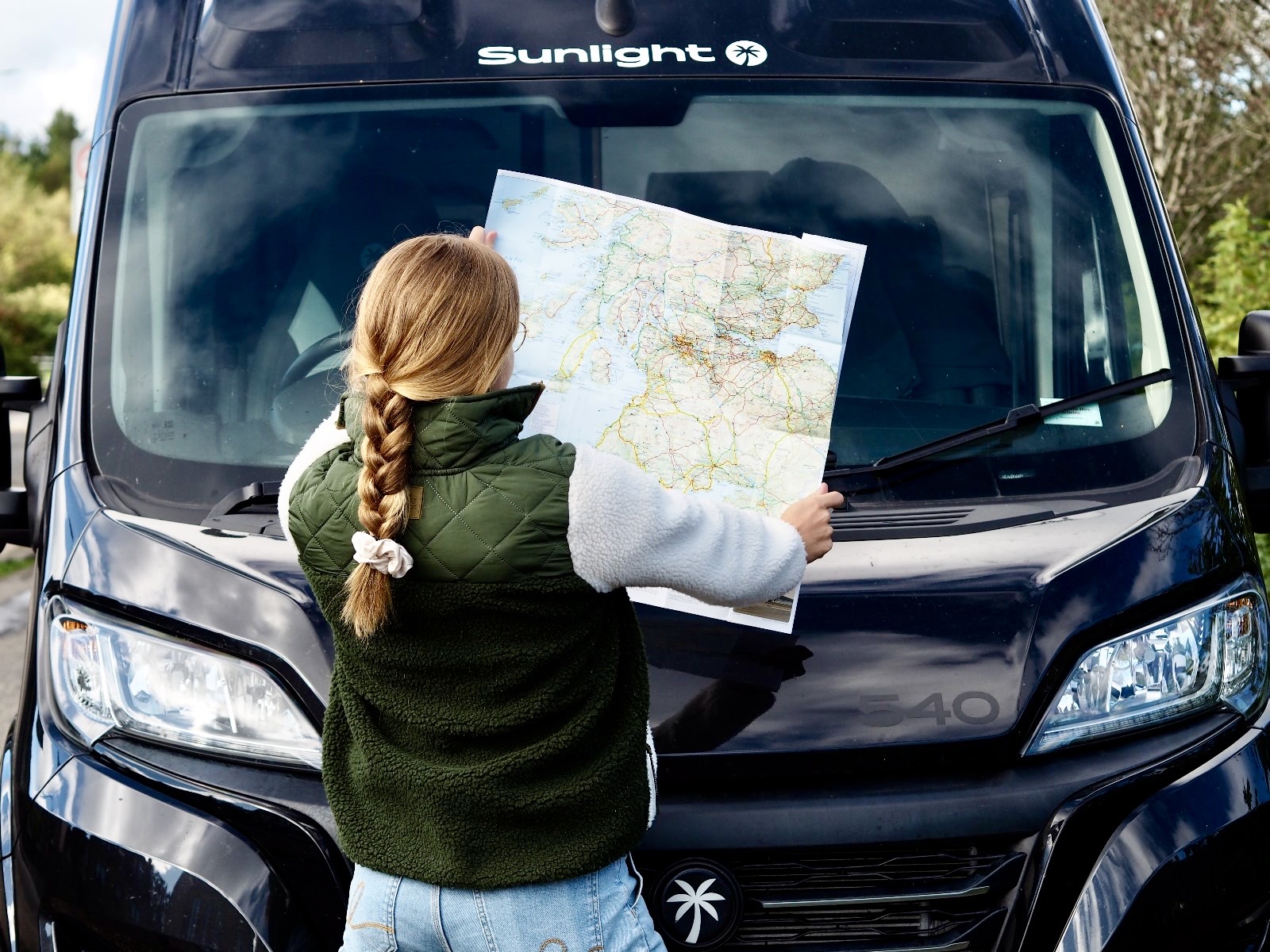
Don't overwhelm yourself. If this is your first time travelling in a motorhome, it doesn’t make sense to plan in 2000km drive across every country in Europe, even if it's a childhood dream. You will just end up burning yourself out and look back at the trip as not being enjoyable. Slow down. The fun of a travelling in a campervan is taking it easy and finding a random lake by accident because you missed a turn. Or even better a pub.
Our rough rule of thumb at CamperDays is don’t drive more than 200km a day. It's enough to make good progress without spending all day driving. Some days you will want to move on and others you’ll stay another night because it just feels right.
Avoid driving at night
Switch drivers when possible
Plan shorter daily drives
3. Don’t Rush When Picking Up Your Motorhome
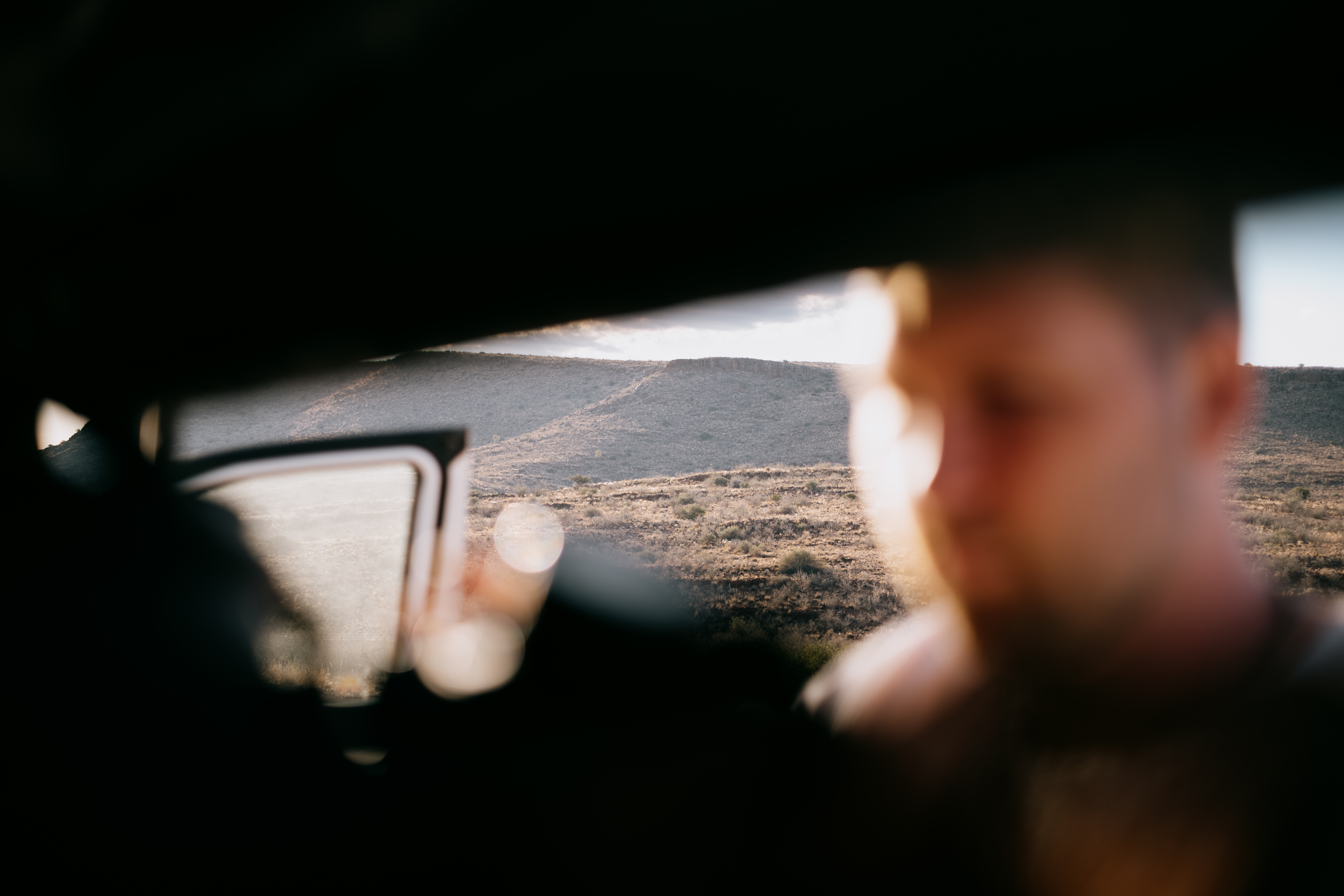
We get it. You want to jump in and go. Take your time picking up the motorhome and listen to the instructions they show you. We have written a checklist that might help you with this, and show you different things to ask before you leave.
Small things like how to turn on the hot water and how the petrol cap opens might sound basic but after a long drive, it's the last thing you want to be figuring out.
Don’t be scared to take pictures of any dents or scratches before you drive off.
Take your time at the depot
Check the petrol and lights
Double-check the paperwork
4. Choose the Right Motorhome
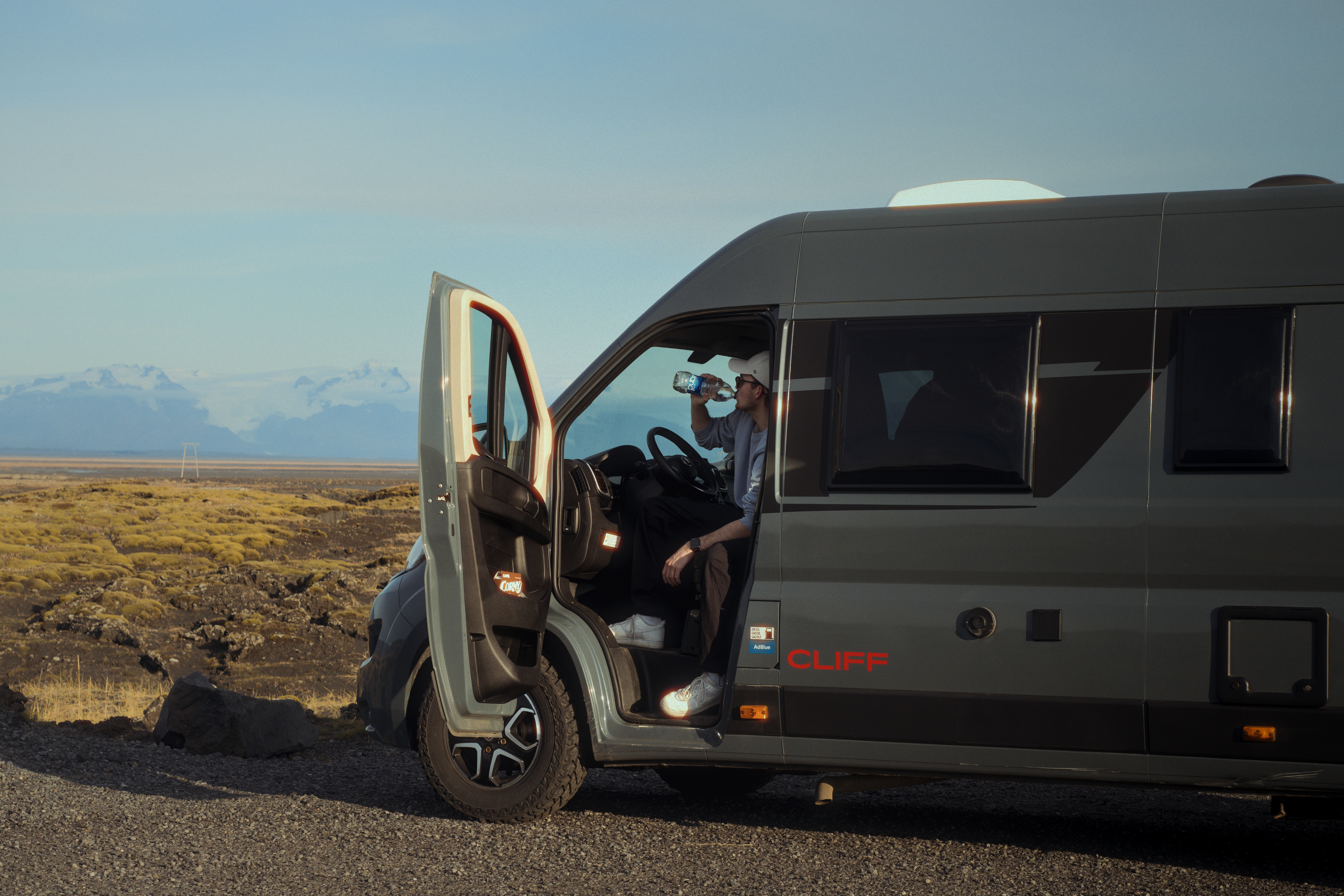
It’s easy to think bigger is always better, but that’s not always true. The right choice depends on how you like to travel. We’ve seen families who needed the space of a six-berth motorhome and wouldn’t have had it any other way. There’s room for everyone, and you can leave the beds made up, which saves time each morning.
Smaller motorhomes also have their place. They are easy to handle and can fit into tighter car parking spaces.
There is no right or wrong choice (it's all down to personal choice). You can compare the size and sleeping arrangements easily on our websites and choose the motorhome that suits your trip.
5. Water, Power and Waste
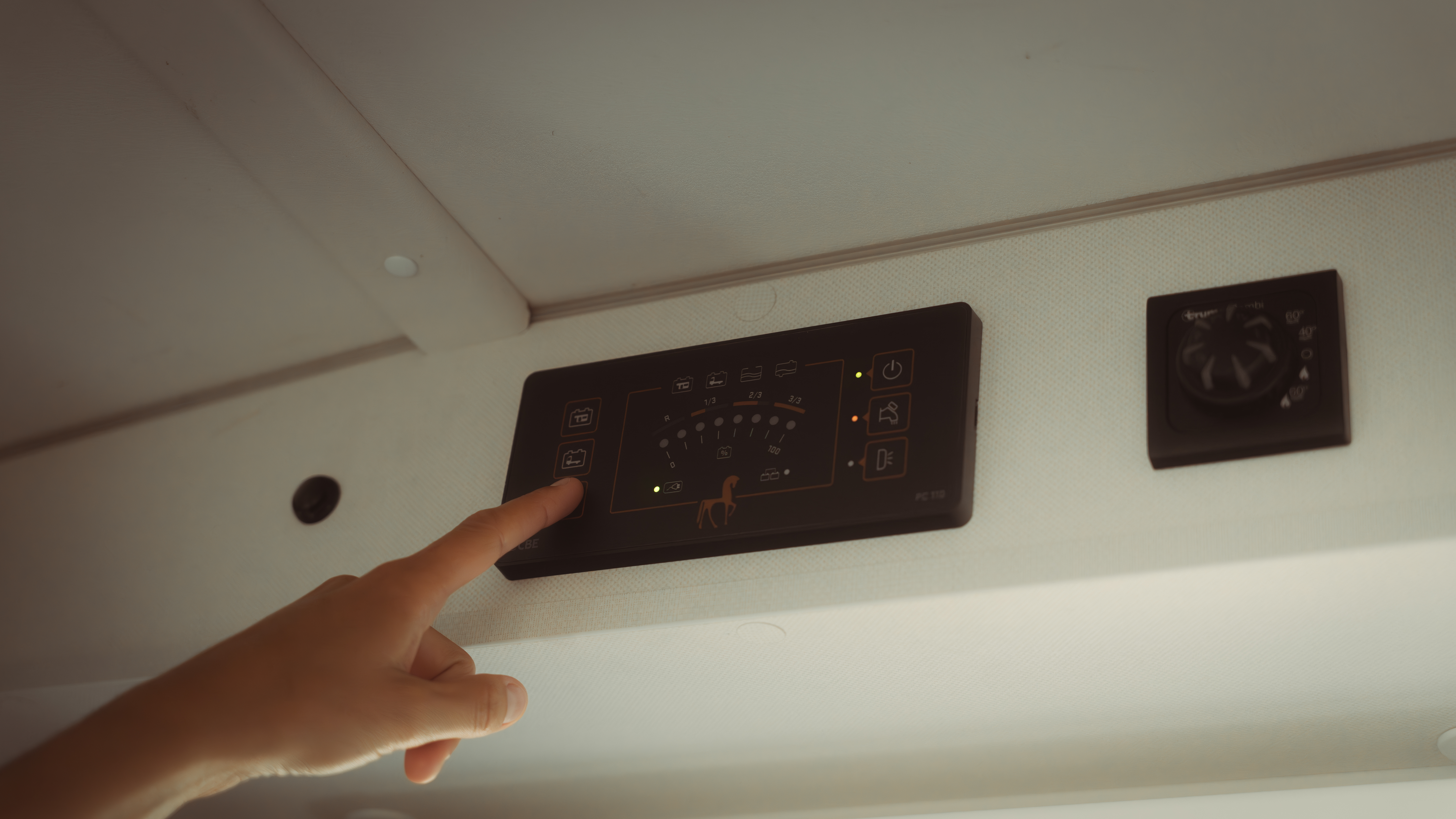
Fill the fresh water tank up at campsites whenever you get a chance (usually using a hose). This water is what you use for your taps and shower. The wastewater collects everything that goes down the drains and can only be emptied at approved waste points at campsites. The one that scares people the most is the toilet cassette (a portable tank that slides out for cleaning). Campsites have a designated area to dispose of the waste, and we promise you it’s not as bad as you think. Once you’ve done it once you will laugh about it later on.
Most campsites will have electricity you can hook up to, which saves using your battery, but you will be charged a fee for this.
6. Find Good Places to Stay
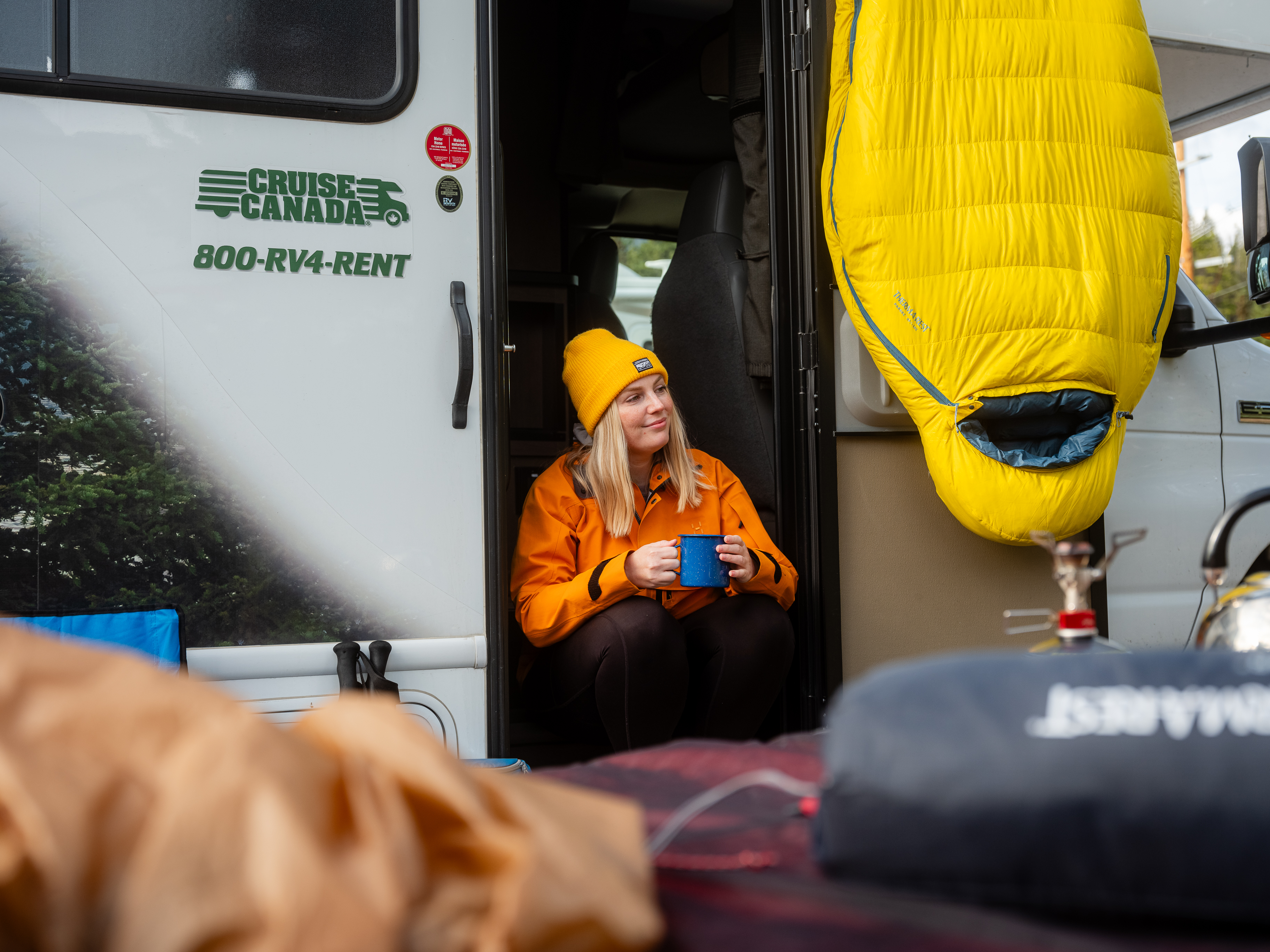
As with booking a campervan early, you need to plan where you want to stay early on, especially in the summer, and a proper campsite will make your trip easier.
Wild camping can be tempting and might sound like a dream, but it can often be more hard work than it seems for those new to travelling in a motorhome. We’ve even had customers end up being fined for parking in the wrong spot.
Book in plenty of time in the peak season
Leave room for random stops (that’s part of the fun)
Check you can wild camp if that’s what you want to do
7. Enjoy Motorhome Life
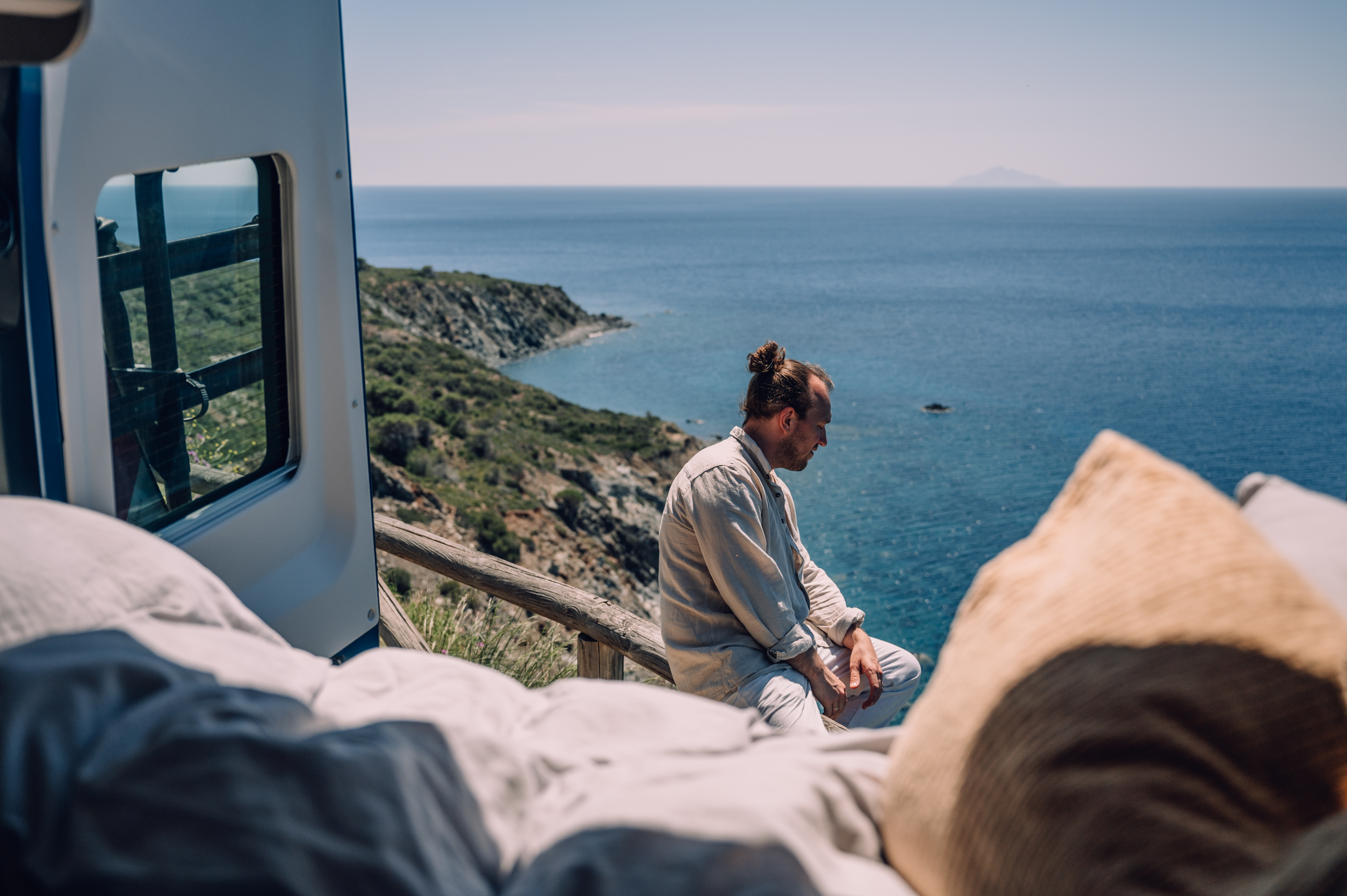
Our first tip on travelling with a camper would be to just try and have fun. That first night might be hard work trying to sleep as you are somewhere new and finding the perfect temperature inside the motorhome.
Space management might be your biggest adjustment as you have to learn how to move around without bumping into things (and each other). Get ready for people to ask where stuff is repeatedly.
Enjoy the small comforts though. That brew in the morning under the duvet while you relax in your van with your loved one, making you breakfast is what makes it all worth it.
8. Keep Your Wits About You

Holidays make us drop our guard a bit, which is fair enough. Keep an eye out, especially somewhere new. Make sure the van’s locked before you leave and don’t leave anything valuable in view.
Don’t forget a paper map or download routes while you’ve got a good signal. Some of the best drives take you miles from anywhere, and losing GPS out there isn’t much fun.
It is rare to have any issues, but a few simple steps can help prevent this.