Iceland in a camper: your complete travel guide
 Julia
JuliaUpdated at: 28/09/2026
Reading time: 5 minutes
Travelling through Iceland in a camper is one of the best ways to experience the country. Instead of unpacking at a different hotel every night, you wake up somewhere new each morning — beside a glacier, overlooking a black sand beach, or surrounded by waterfalls. With well-maintained roads, good campsites and scenery that changes by the hour, Iceland is made for a road trip. Travelling by camper gives you the freedom to stop whenever you like, stay longer in your favourite places and see more of the island beyond Reykjavík. In this guide, you'll learn how to choose the right camper, when to visit, what to expect on the road and how to plan your route.
Why explore Iceland in a camper?
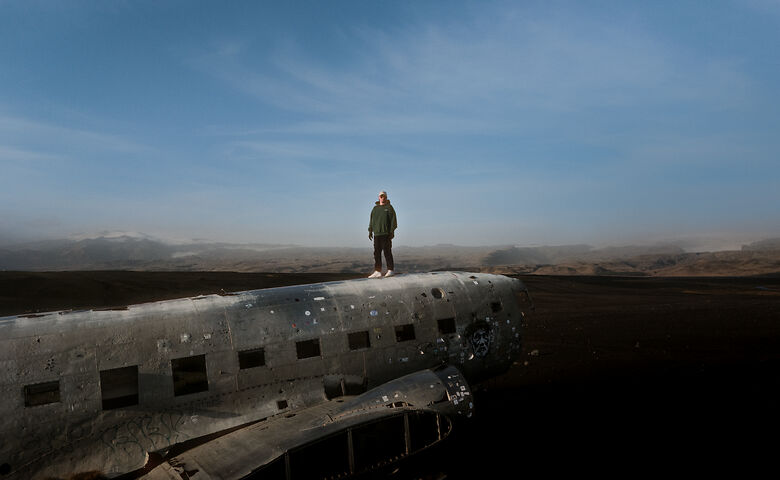
A camper isn't just somewhere to sleep — it changes how you experience Iceland. Instead of planning your day around a single hotel, you can follow the weather, chase the best light for photos, or simply stay an extra night wherever you like.
Drive the Ring Road, pull over whenever a view catches your eye and spend the night at one of Iceland's many well-equipped campsites. It's one of the most flexible ways to see the country, and one of the few that gets you properly off the beaten path around Reykjavík.
Choosing the right camper
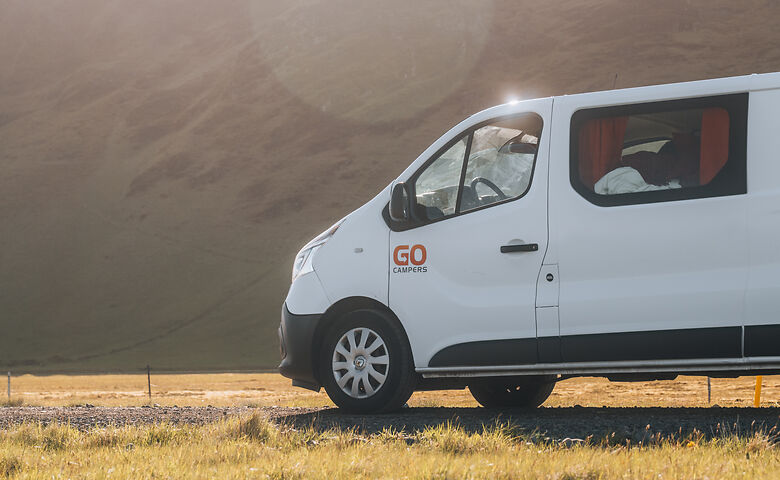
Choosing the right camper depends on where you plan to travel. If you're sticking to the Ring Road and other main roads, a standard two-wheel-drive camper is all you need. These roads are well maintained and take you to many of Iceland's best-known attractions, including waterfalls, glaciers and black sand beaches.
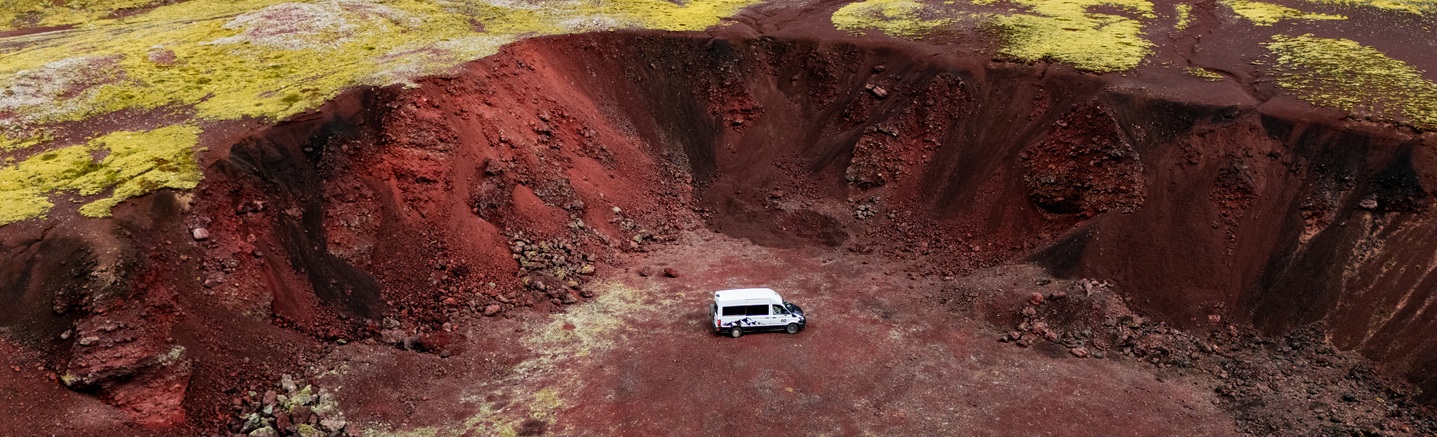
If you want to explore the remote Highlands and drive on the F roads, you'll need a four-wheel-drive vehicle. These mountain roads are only open during the summer months and aren't suitable for standard campers.
Most camper rental companies are based near Keflavík International Airport, making it easy to collect your vehicle and start your road trip shortly after you arrive.
When is the best time to visit Iceland?
The best time to visit Iceland depends on the type of trip you're planning.
Summer (June to August) is the most popular season for a camper holiday. Long daylight hours, milder temperatures and open F roads make it a great time to explore the entire country, including the Highlands. Keep in mind it's also the busiest and most expensive time to visit, so it's worth booking your camper and campsites well in advance.
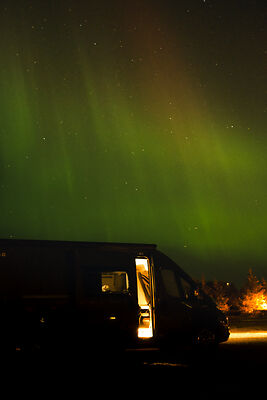
If you prefer quieter roads and lower prices, May and September are good alternatives. You'll get fewer crowds while still having good driving conditions. September also offers the chance to see the Northern Lights, making it a favourite for many travellers.
Driving in Iceland
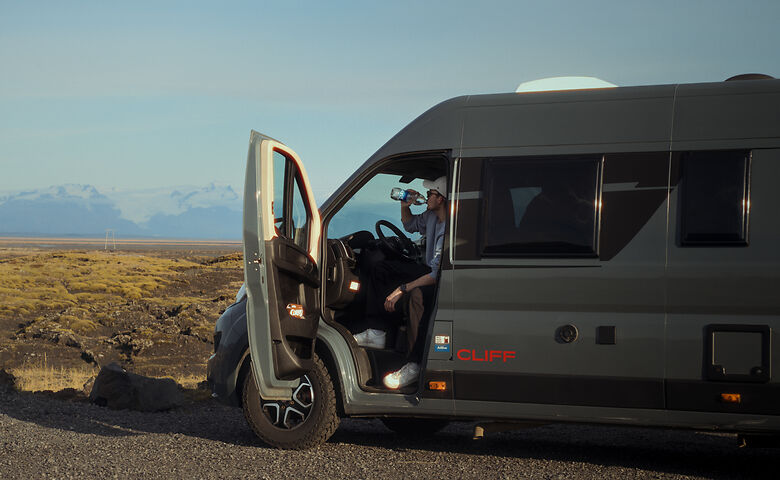
Driving in Iceland is generally straightforward, especially if you're following the Ring Road and other main routes. Roads are well maintained and traffic is relatively quiet outside Reykjavík. Before you set off, there are a few things worth knowing:
Drive with your headlights on at all times, even during the day.
Always wear a seatbelt.
Stick to the speed limits.
Fill up when you can, especially in remote areas.
Watch out for sheep and horses, particularly during summer.
Take extra care on single-lane bridges.
Check the weather and road conditions before setting off.
What are F-roads?
F roads are mountain roads that lead into Iceland's remote Highlands. They're only open during the summer months and are only suitable for four-wheel-drive vehicles.
While some F roads are relatively straightforward, others involve rough terrain and river crossings. Standard campers aren't allowed on these roads, and any damage caused by driving on an F road in an unsuitable vehicle usually isn't covered by your rental company's insurance.
If you're planning to explore the Highlands, make sure you choose a four-wheel-drive camper and always check the latest road conditions before setting off.
Camping in Iceland
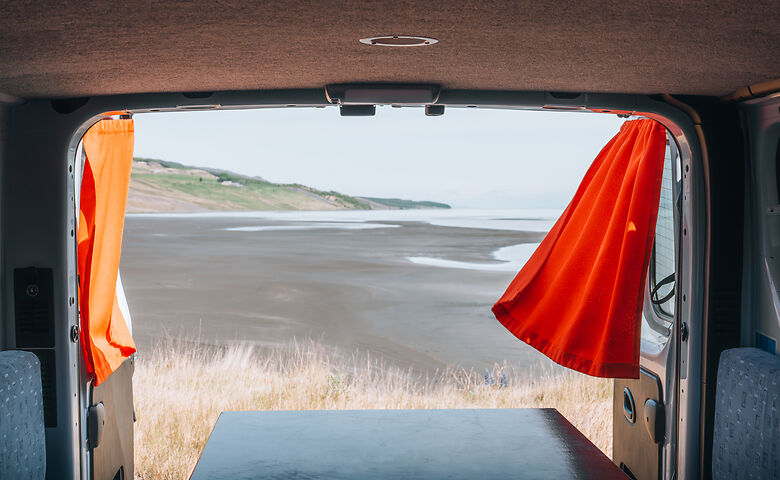
Camping is a big part of the experience in Iceland, with campsites located all around the country. Many are set right in the landscape, so you can wake up next to mountains, waterfalls or lava fields without leaving the campsite.
Wild camping is not allowed for campers and motorhomes in Iceland. You'll need to stay at designated campsites, which are generally well maintained and easy to find along the Ring Road.
Most campsites are open from May to September, so if you're travelling during the summer holidays, it's worth booking ahead, especially in popular areas.
What to pack for Iceland
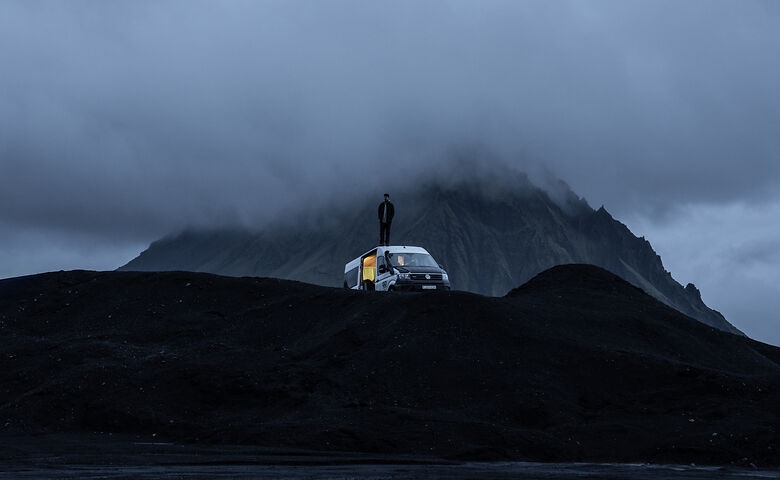
Iceland's weather is famously unpredictable, so it's best to be prepared for all conditions. Even during summer, temperatures can change quickly, especially in the evenings or when you're exploring waterfalls, glaciers or the Highlands.
Don't forget to pack:
Waterproof jacket and trousers.
Warm layers, even in summer.
Sturdy walking boots.
Hat and gloves for cooler days.
Sunglasses, as the low sun can be surprisingly bright.
An eye mask if you're visiting during the midnight sun.
Planning your route
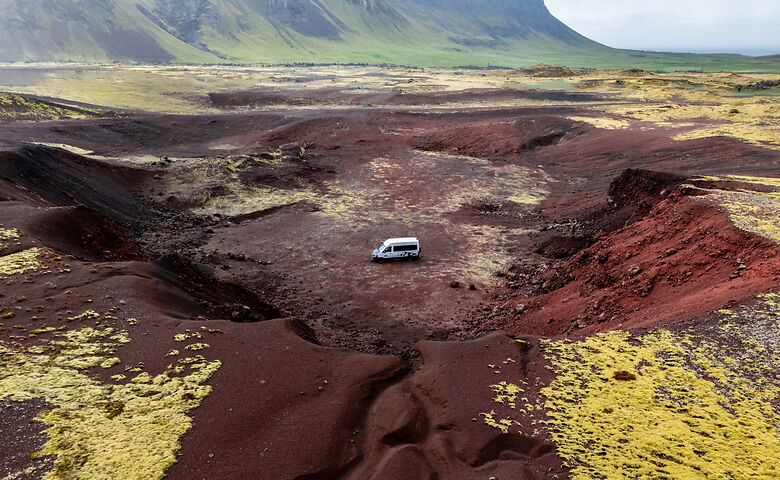
The Ring Road is the classic route for exploring Iceland by camper — a scenic drive that circles the whole island. This 1,300-kilometre route takes you past many of the country's best-known sights, including waterfalls, glaciers, volcanoes and black sand beaches. It's well maintained and suitable for standard campers, making it ideal for first-time visitors.
If you have around 7 days, you can enjoy many of the highlights along the Ring Road. With 10 to 14 days, you'll have more time to take detours, visit the quieter Westfjords or spend longer exploring the South Coast.
Ready to explore Iceland?
Exploring Iceland in a camper gives you the freedom to experience the country at your own pace. Whether you're driving the Ring Road, visiting the Highlands or chasing the Northern Lights, travelling by camper lets you discover places that many visitors never see.
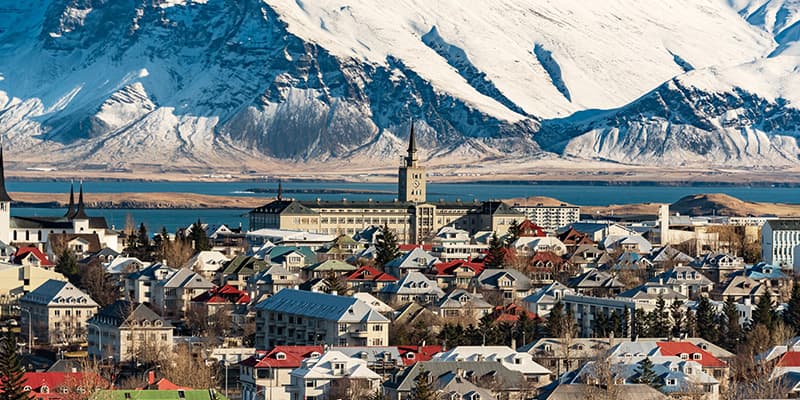
At CamperDays, you can compare campers now from trusted rental companies and find the right vehicle for your Iceland adventure.

Do you have any feedback on the article, questions about booking a motorhome, or are you looking for tips? Then feel free to write to us here. We will get back to you as soon as possible.