16 Western Australia points of interest you shouldn't miss
 Julia
JuliaUpdated at: 30/09/2026
Reading time: 9 minutes
Pink lakes, white-sand beaches, friendly quokkas and some of Australia's most impressive national parks – Western Australia is made for a road trip. And because the state is enormous, travelling by campervan gives you the freedom to explore it at your own pace. Why visit Western Australia? For one thing, it's incredibly diverse. You can start among the beaches, restaurants and skyscrapers of Perth, head south for wine and surfing around Margaret River or travel north into the vast landscapes of the Outback and Kimberley. To help you plan your trip, we've picked 16 of the best Western Australia points of interest – from famous sights to places that still feel wonderfully remote.
Western Australia points of interest: map
1. Perth: sunshine, beaches and city life
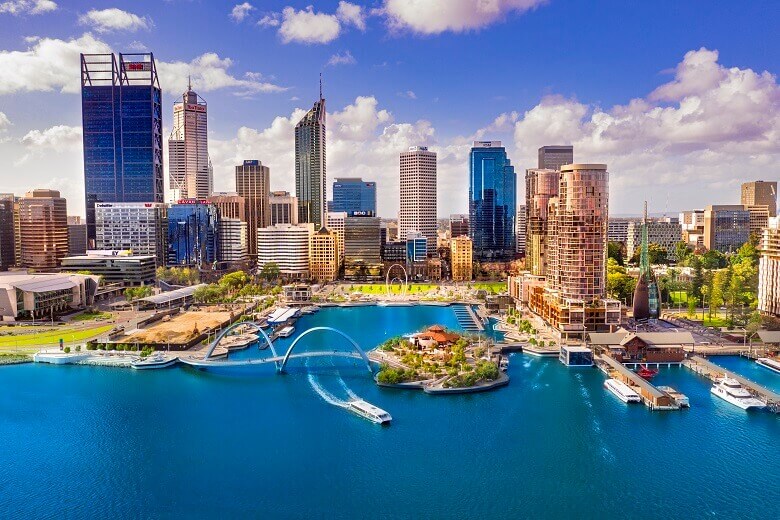
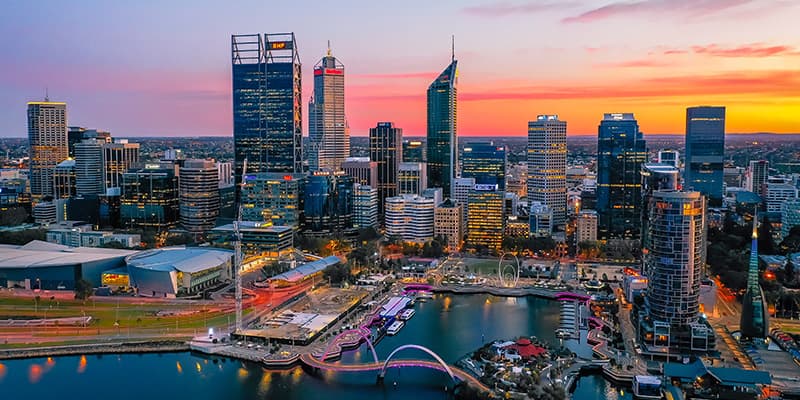
With around 3,000 hours of sunshine a year, Perth has a reputation for being one of Australia's sunniest cities. Western Australia's capital is an ideal starting point for a campervan road trip, combining a lively cultural scene with beautiful beaches just outside the city centre.
One place you shouldn't miss is Elizabeth Quay. Take a stroll along the Swan River and enjoy the views back towards Perth's skyline before setting off on the next leg of your road trip.
2. Rottnest Island: meet the quokkas
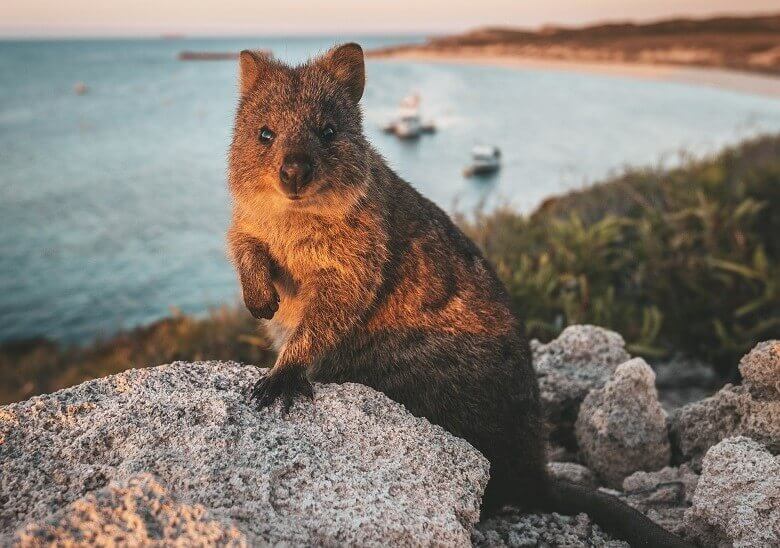
Just off the coast of Perth lies car-free Wadjemup / Rottnest Island, one of the most popular Western Australia points of interest. With 63 beaches and 20 bays, the island is perfect for swimming, snorkelling and kayaking.
Then there are the quokkas. These small marsupials are famous for their seemingly permanent smiles and are one of the island's biggest attractions. The best way to explore Rottnest is by bike or using the island's bus service.
Campervans aren't allowed on the island, so leave yours on the mainland and catch the ferry across. If you'd like to stay overnight, accommodation options on the island include a campground, but you'll have to leave the camper behind.
3. Margaret River: wine and waves
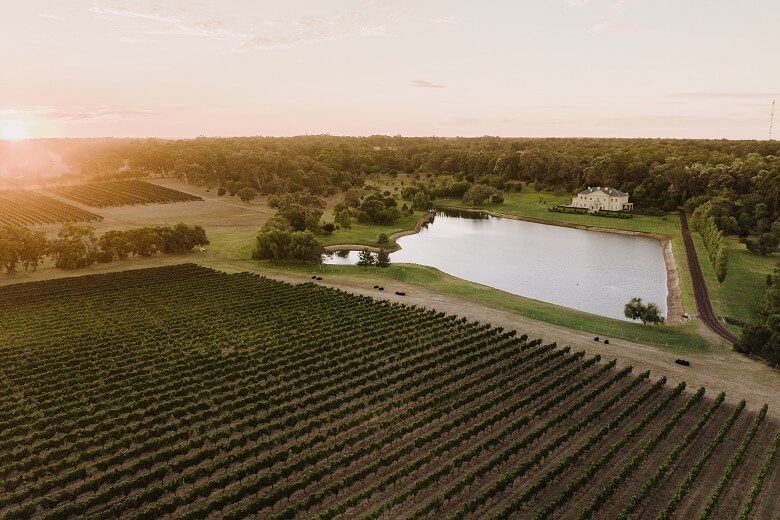
Love good wine and great food? Then make room for Margaret River on your itinerary. The region is famous for its wineries and restaurants, making it an excellent place to slow down for a couple of days during your road trip.
If you'd rather spend your time by the sea, Margaret River also has some fantastic surf beaches. Redgate Beach is a particularly beautiful stop, with its long sandy beach and rugged coastline.
The combination of vineyards, food, forests and beaches is precisely what makes this part of Western Australia so special.
4. Valley of the Giants: walk through the treetops
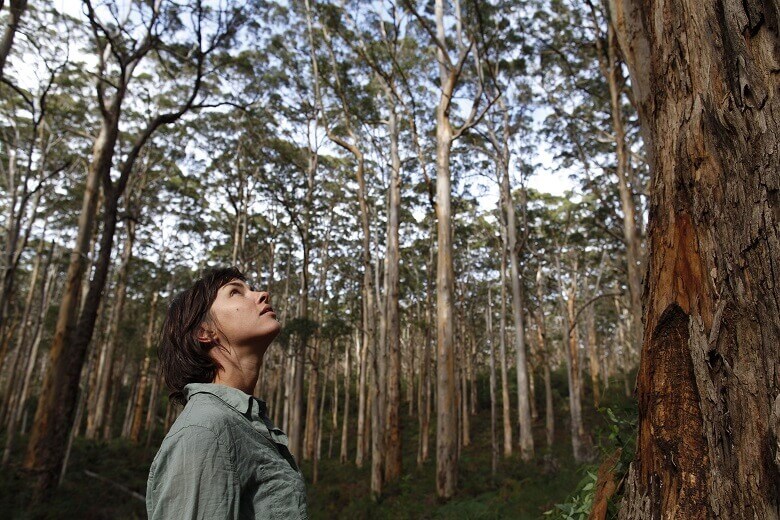
For a completely different view of Western Australia, head to the Valley of the Giants Tree Top Walk. The walkway takes you up to 40 metres above the ground and into the canopy of Western Australia's tingle forest.
Back at ground level, you can follow the Ancient Empire walk between – and sometimes right through – the enormous trees.
5. Lucky Bay: Australia's most beautiful beach?
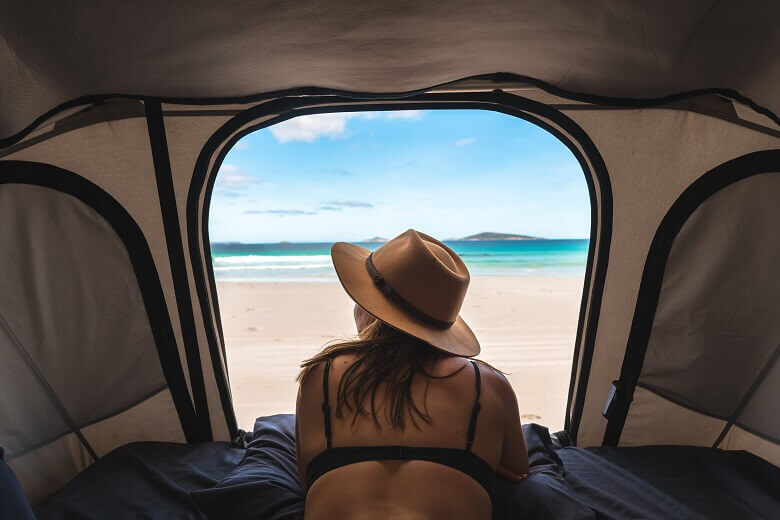
How did Lucky Bay get its name? Explorer Matthew Flinders sheltered here from a storm in 1802 and, relieved to find a safe anchorage, named it Lucky Bay.
Today, the bay is famous for something else: brilliantly white sand, turquoise water and the chance of spotting kangaroos close to the beach. You'll find Lucky Bay inside Cape Le Grand National Park, which also has several excellent walking trails.
6. Lake Ballard: art in the Outback
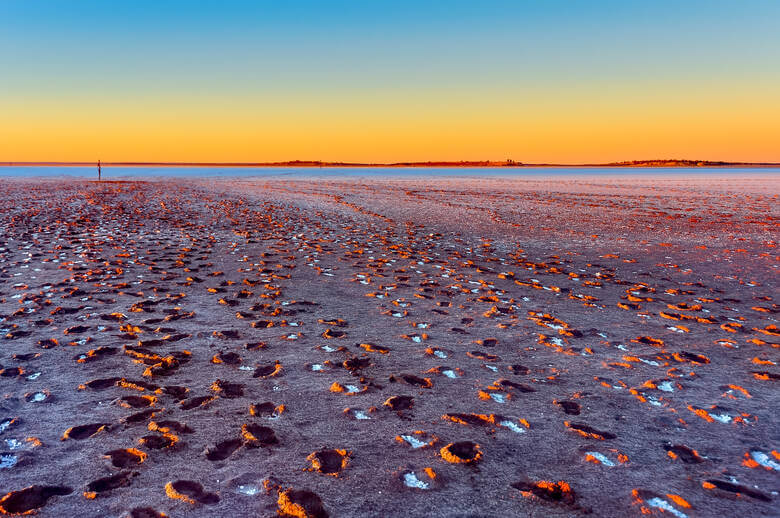
Imagine 51 sculptures standing alone on a vast salt lake as the setting sun turns the landscape red and gold. That's what awaits you at Lake Ballard.
British artist Antony Gormley created the Inside Australia installation across the salt lake, transforming this remote Outback landscape into a huge open-air gallery.
If you're travelling through the Goldfields, you can combine Lake Ballard with a visit to Kalgoorlie-Boulder and the enormous Super Pit gold mine.
7. The Pinnacles: a desert full of limestone pillars
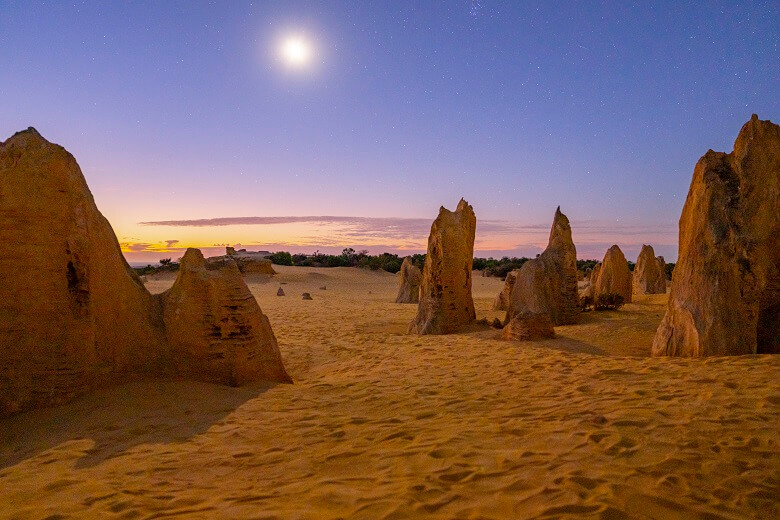
Nambung National Park looks almost like another planet. Thousands of limestone pillars rise from yellow desert sands, with some reaching several metres in height.
The Pinnacles are particularly beautiful towards the end of the day, when the low sun creates long shadows across the desert. Stay until after sunset and you'll also get a clear view of the night sky, far away from any city lights.
Camping isn't available inside the national park itself, but you'll find places to stay around nearby Cervantes.
8. Kalbarri National Park: dramatic gorges and red rock
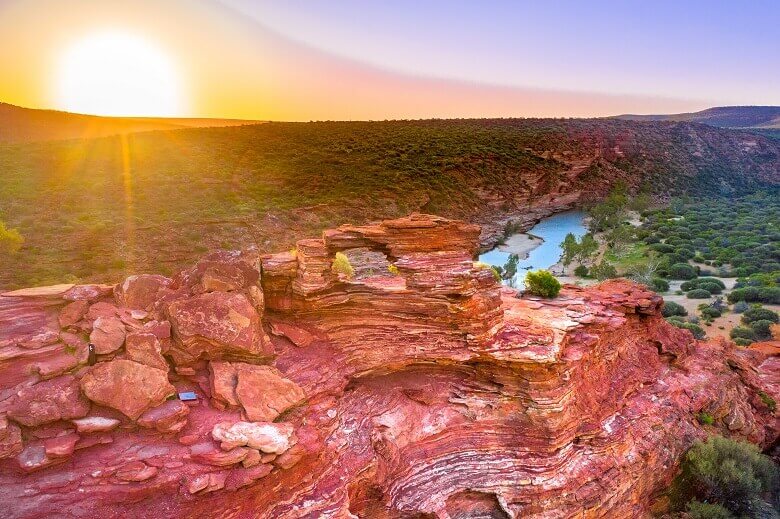
Of all Western Australia's national parks, Kalbarri is surely one of the most striking. Rust-red cliffs, sweeping plains and deep gorges surround the Murchison River as it winds through the landscape.
Nature's Window is one of the park's most famous viewpoints, while the Kalbarri Skywalk extends out over the gorge, giving you a clear view straight down to the river below.
Give yourself at least a couple of days here rather than trying to squeeze the national park into a quick stop.
9. Hutt Lagoon: Western Australia's pink lake
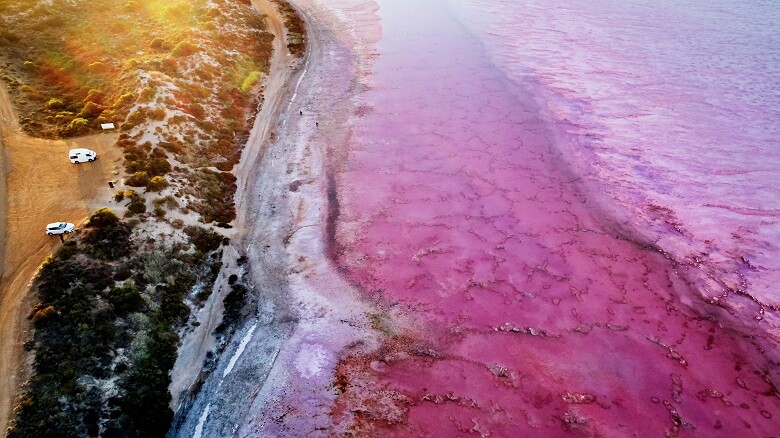
A bright pink lake beside the blue Indian Ocean sounds almost too colourful to be real. Yet that's exactly what you'll find at Hutt Lagoon, near Port Gregory.
Its distinctive colour is created by the presence of carotenoid-producing algae, although the exact shade varies depending on the season, weather and time of day.
One of the best – although certainly not the cheapest – ways to see Hutt Lagoon is from above on a scenic flight.
10. Shark Bay: a World Heritage wonder
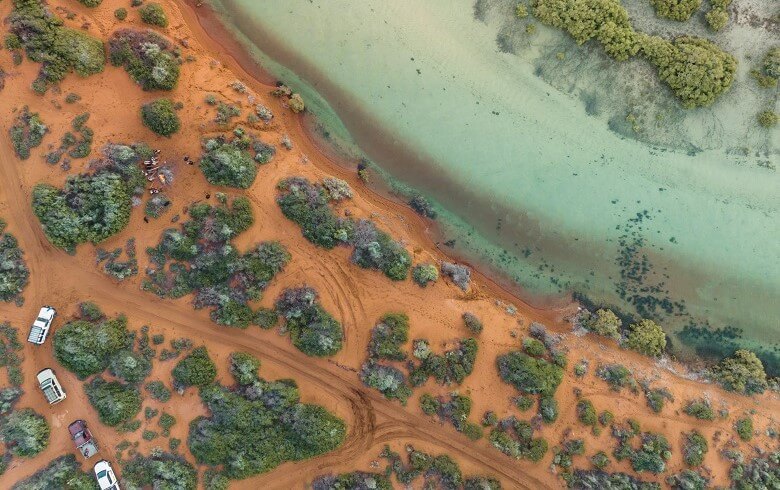
Shark Bay is another of Western Australia's UNESCO World Heritage sites and one of the best places to spend several days exploring.
François Peron National Park is a highlight for adventurous travellers, with striking red cliffs meeting turquoise water. Much of the national park requires a high-clearance 4WD, so check whether your rental vehicle is permitted before heading off-road.
Monkey Mia is another famous stop in the region and is known for its wild dolphins.
11. Ningaloo Reef: snorkel straight from the beach
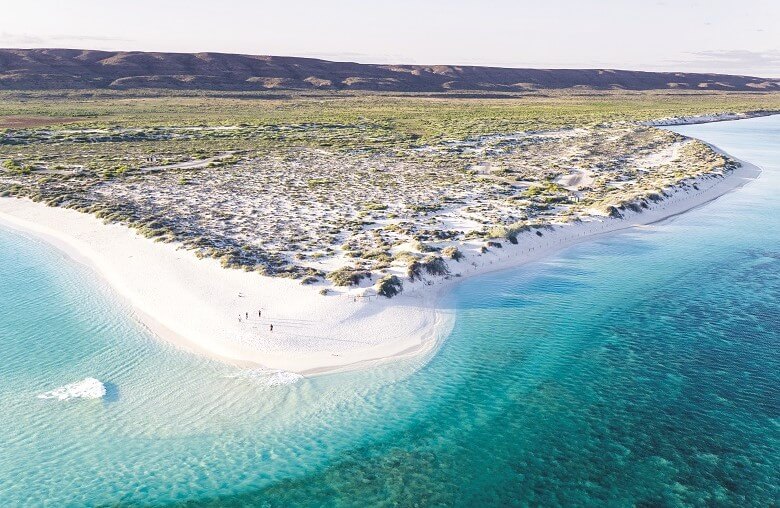
You don't have to travel all the way to Australia's east coast for a coral reef this good. Ningaloo is home to the world's largest fringing reef and, in many places, you can reach it with just a short swim from the shore.
Coral Bay and Exmouth are two excellent bases for exploring the reef. Depending on when you travel, you may get the chance to see whale sharks, manta rays, turtles and migrating humpback whales.
Whale sharks generally visit Ningaloo between late March and mid-July, while humpback whales migrate through the region between June and November.
There are also excellent camping options around Cape Range National Park, putting you within easy reach of both the reef and the rugged landscapes inland.
12. Karijini National Park: swim between ancient gorges
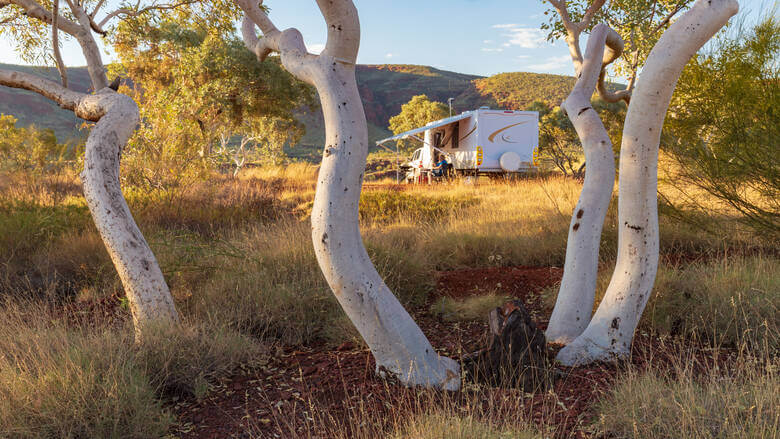
Some places stay with you long after you've returned home, and Karijini National Park is one of them.
Deep gorges cut through ancient red rock, creating waterfalls and natural pools surrounded by some of Western Australia's most dramatic scenery. It's a brilliant destination for hikers, with trails ranging from relatively easy walks to more challenging gorge adventures.
Allow enough time to explore rather than treating Karijini as a quick stop. Distances in Western Australia are huge, and this is one place where the long journey really pays off.
13. Broome: Staircase to the Moon
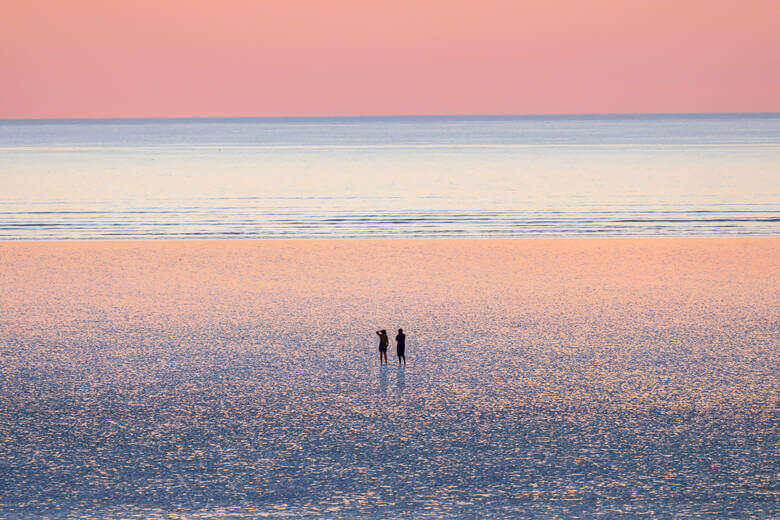
Broome is one of the most famous towns on Australia's north-west coast and makes a fantastic base for exploring the Kimberley.
One of its most unusual natural phenomena is the Staircase to the Moon. On certain nights between March and October, the rising full moon reflects across the exposed tidal flats of Roebuck Bay, creating the illusion of a glowing staircase leading towards the moon.
And even if your visit doesn't coincide with it, Broome has plenty more to offer – not least the sunsets over Cable Beach.
14. Dampier Peninsula: beaches, culture and pearls
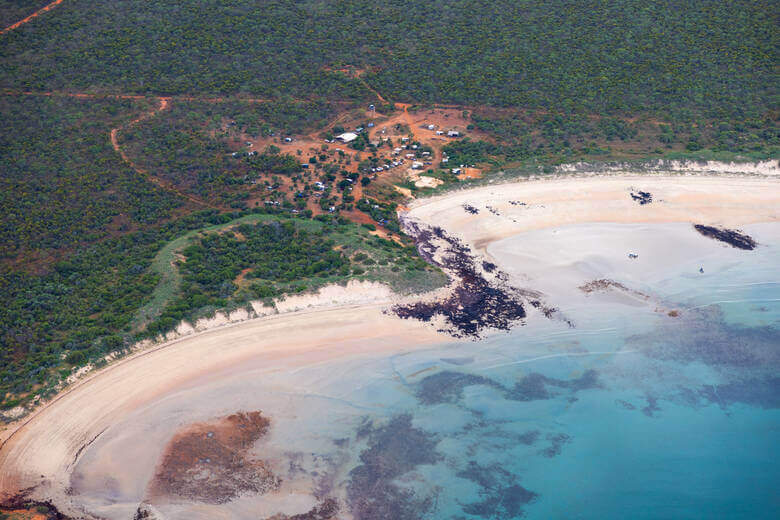
North of Broome, the Dampier Peninsula is made for travellers looking for a more remote adventure. The roughly 200-kilometre Cape Leveque Road is sealed, although a 4WD is still required to reach many attractions away from the main road.
This is also an important place to experience Aboriginal culture. Indigenous communities have cared for the region for tens of thousands of years, and Aboriginal-led tours offer opportunities to learn more about the area's landscapes, traditions and history.
At Cygnet Bay, you can also visit Australia's oldest operating pearl farm.
15. Bungle Bungle Range: giant beehive-shaped domes
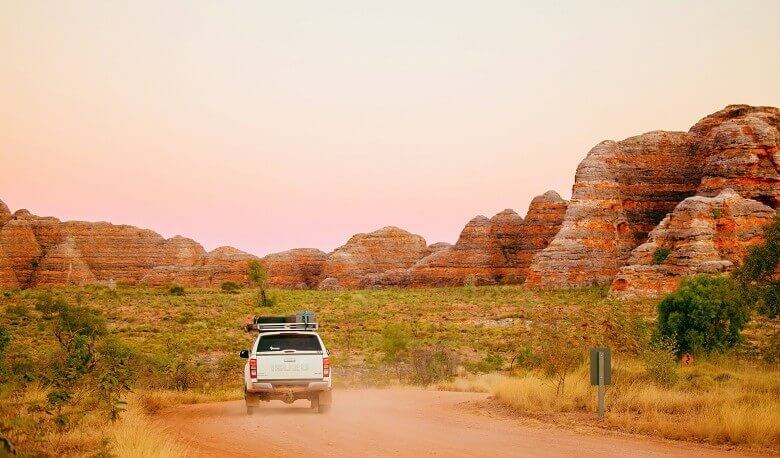
Purnululu National Park is one of Western Australia's great wilderness destinations. Its most famous attraction is the Bungle Bungle Range: striped sandstone domes that look a little like giant beehives.
The formations have been shaped by natural processes over millions of years, creating one of Australia's most recognisable Outback landscapes.
The area also has enormous cultural significance for its Traditional Owners. If you can, join an Aboriginal-guided experience to learn about the landscape from the people who have been connected to this Country for thousands of years.
16. Horizontal Falls: a natural phenomenon like no other
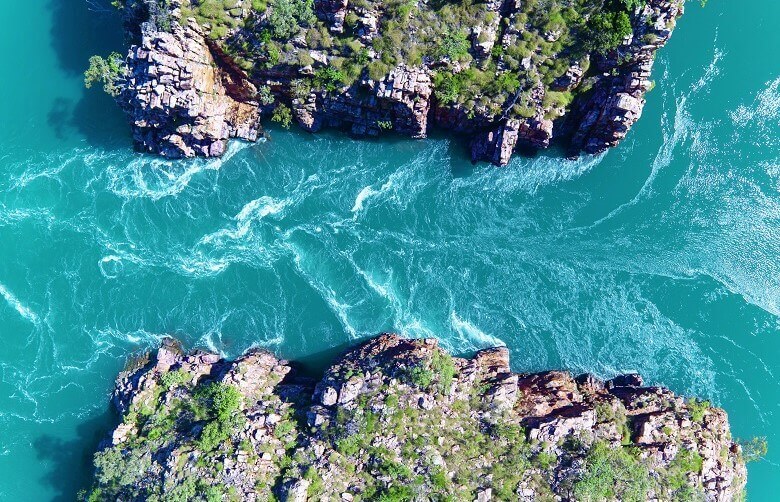
Our final stop is one of the most unusual Western Australia points of interest. The Horizontal Falls aren't waterfalls in the traditional sense. Instead, powerful tidal currents force seawater through narrow gaps between the cliffs of Talbot Bay, creating the appearance of water cascading horizontally.
The falls are in the remote Buccaneer Archipelago north of Broome, so you can't simply drive your campervan up to them. Scenic flights are one of the best ways to appreciate the scale of the landscape from above.
Why visit Western Australia by campervan?
So, why visit Western Australia rather than sticking to Australia's better-known east coast? Because the distances are bigger, the landscapes feel wilder and a road trip here can take you from vineyards and white-sand beaches to coral reefs, red-rock gorges and the remote Kimberley.
A campervan gives you the freedom to make the journey part of the experience. You can spend longer in the places you love, wake up close to nature and travel between some of Australia's most striking landscapes at your own pace.
Just keep one thing in mind when choosing your vehicle: some roads in national parks and the Outback are only suitable for 4WDs, and rental companies may impose additional driving restrictions. Check your rental conditions before planning any off-road adventures.

Do you have any feedback on the article, questions about booking a motorhome, or are you looking for tips? Then feel free to write to us here. We will get back to you as soon as possible.