Wild camping around the world: where is it allowed and where is it prohibited?
 Julia
JuliaUpdated at: 30/09/2026
Reading time: 12 minutes
Untouched nature, complete silence and a starry sky all to yourself – there are plenty of reasons why wild camping appeals to campervan travellers. And there's another obvious advantage: it's free. But before you park up for the night, it's important to know the local rules. So, where is wild camping allowed, where is it prohibited and what should you know when travelling by campervan or motorhome? From wild camping in the UK to Scandinavia, mainland Europe and destinations further afield, here's an overview of the rules.
What is wild camping – and what is the right to roam?
You may have heard of the "right to roam", particularly in connection with Scandinavian countries. In simple terms, it gives people the freedom to enjoy and move through the countryside responsibly. In some countries, this also includes pitching a tent or bivouacking for a short period, provided you leave the area exactly as you found it.
There is one important distinction, though. Many of the wild camping rules you find online apply to tent camping rather than campervans and motorhomes. Access rights that allow you to walk across or camp on land do not automatically give you the right to drive or park a motor vehicle there.
Although the exact rules vary by destination, there are a few principles worth following wherever you travel:
Stay away from protected areas where camping is prohibited, such as nature reserves and conservation areas.
Never camp on private land without the owner's permission.
Avoid cultivated and agricultural land.
Keep a respectful distance from homes and other buildings.
Leave no rubbish and never damage the site.
Avoid open fires, particularly in forests and areas at risk of wildfires.
Keep camping furniture and awnings inside your vehicle unless camping is explicitly permitted.
Don't stay longer than necessary – one night is usually enough when overnight parking is permitted.
And, of course, always follow any local signs and restrictions.
Wild camping in the UK: what are the rules?
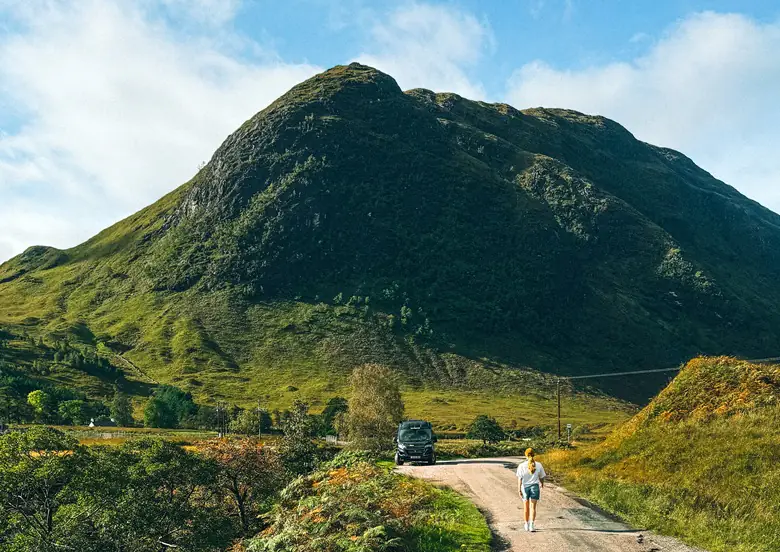
If you're considering wild camping in the UK, the first thing to know is that there isn't one set of rules covering the entire country. Scotland, England and Wales have different access laws, and the rules for pitching a tent are not necessarily the same as those for sleeping in a campervan.
Wild camping in Scotland
Wild camping in Scotland is more accessible than in most other parts of the UK. The Scottish Outdoor Access Code allows responsible lightweight camping in many places. However, these access rights do not extend to motor vehicles.
That means travelling through Scotland in a campervan doesn't automatically give you the right to park and sleep wherever you like. Always respect parking restrictions and signs such as "No Overnight Parking", and don't drive onto land simply because access rights apply to walkers.
There is, however, a useful alternative for campervan travellers. Forestry and Land Scotland operates its Stay the Night scheme throughout the year. Self-contained campervans and motorhomes can spend one night at participating forest car parks on a first-come, first-served basis. Most locations currently cost £10 per night, with payment made via RingGo.
This can be a great compromise if you want the feeling of wild camping in Scotland without worrying about whether you've parked somewhere you shouldn't.
Wild camping in England
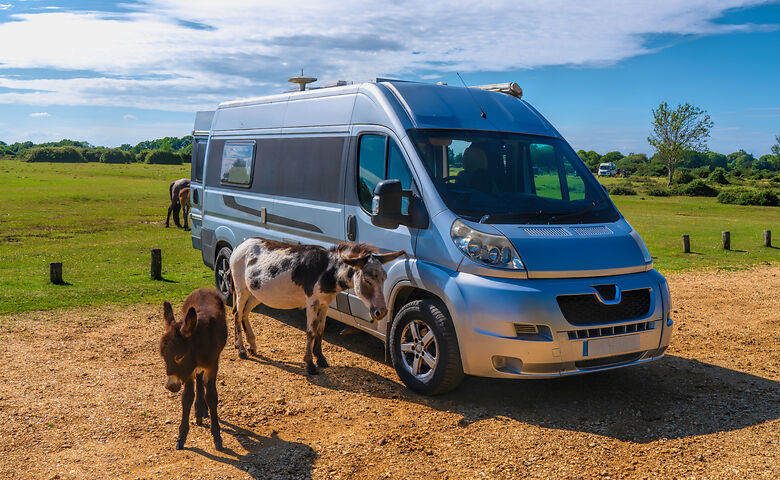
Wild camping in England is generally only possible with the landowner's permission. One well-known exception for tent campers is Dartmoor, where backpack camping is permitted in specific areas shown on the National Park's official camping map.
But again, campervans are treated differently. Overnight stays in vehicles, campervans and motorhomes are not permitted in Dartmoor's car parks, lay-bys or at the roadside under National Park byelaws. Campervan travellers should therefore use an official campsite or designated overnight stop.
Elsewhere in England, check local rules carefully. A car park that allows daytime parking doesn't necessarily allow you to sleep there overnight.
Wild camping in Wales
The situation for wild camping in Wales is similar. Much of the countryside is privately owned, so you generally need the landowner's permission before camping.
This also applies to some of Wales' most popular outdoor destinations. In Eryri (Snowdonia) National Park, for example, wild camping is not permitted without prior permission from the landowner or farmer. Overnight stays in campervans or caravans in the National Park's car parks are also prohibited.
So if you're travelling through Wales by campervan, don't assume a remote car park or roadside spot is suitable for the night. Look for an official campsite or authorised campervan stop instead.
What is the punishment for wild camping?
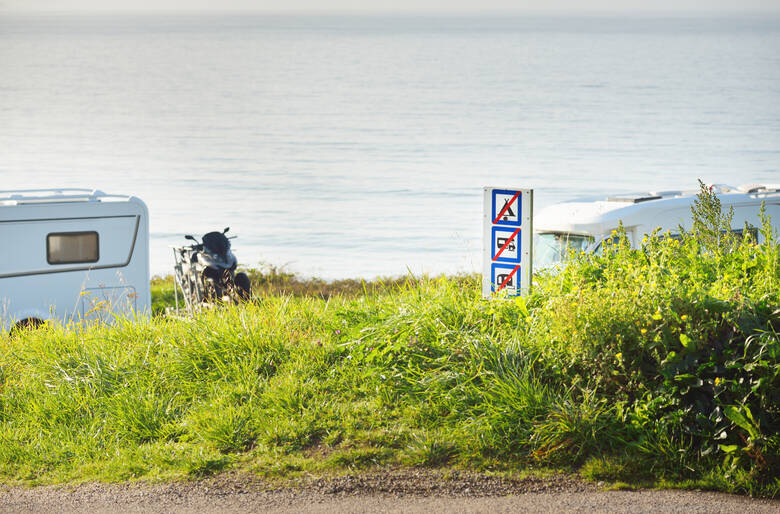
If you're wondering what the punishment for wild camping actually is, there isn't one simple answer. It depends on the country, region, type of land and what you're actually doing.
In some places, you may simply be asked to move on. Elsewhere, unauthorised camping or ignoring parking restrictions can result in a fine. Penalties can become more serious if you enter private or protected land, damage property, light fires or ignore instructions from the landowner or authorities.
The safest approach is simple: don't rely on wild camping being tolerated. Check the rules locally, respect signs and use a legal alternative whenever you're unsure.
Where is wild camping allowed in Europe?
Across mainland Europe, the picture is mixed. Some countries are relatively relaxed, while others restrict camping outside official campsites almost completely. And once again, rules that apply to tents don't always apply to motorhomes.
Wild camping in Germany, Austria and Switzerland
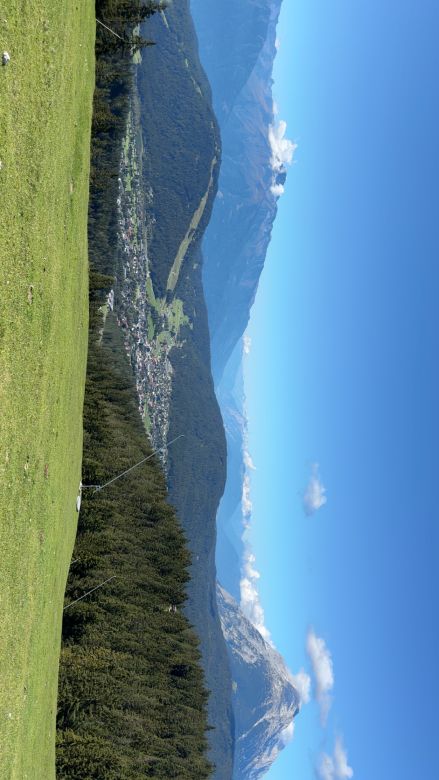
In Germany, wild camping rules vary between the federal states, and individual municipalities may introduce additional restrictions.
Agricultural land should always be avoided. The same applies to private property unless you have permission from the owner.
What is generally allowed in Germany is spending a night in a vehicle on a public parking area to restore your ability to drive, provided there are no signs prohibiting it. This is not the same as camping: chairs, tables and awnings should stay inside the vehicle.
In Austria, rules differ considerably between the federal states and municipalities, and wild camping is heavily restricted in many areas. Check the regulations for the specific region you're visiting.
Switzerland doesn't have one nationwide ban on wild camping, but overnight stays in campervans and motorhomes are regulated at cantonal and municipal level. Always check where overnight parking is permitted before your trip.
Scandinavia: does the right to roam apply to everyone?
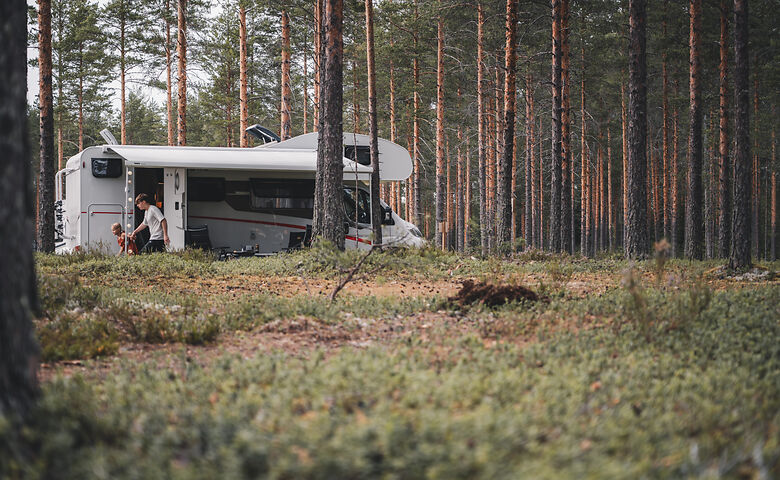
Scandinavia is famous for its right to roam, but campervan travellers need to pay close attention to what that actually means.
In Norway and Finland, access rights give travellers considerable freedom to enjoy nature, but they don't mean you can simply drive onto any piece of land. When parking a campervan, follow road and parking regulations, avoid cultivated land and private driveways, and keep your distance from homes. Rules are often stricter in national parks and protected areas.
In Sweden, the right of public access is primarily about travelling through and staying temporarily in nature without a motor vehicle. It doesn't give campervans the right to drive or park off-road. Use designated parking areas and follow local overnight restrictions.
Iceland and Denmark have stricter rules. In Iceland in particular, travellers with campervans and caravans generally need to stay at organised campsites or obtain the landowner's permission where applicable. Always check current local regulations before setting off.
Wild camping in Ireland
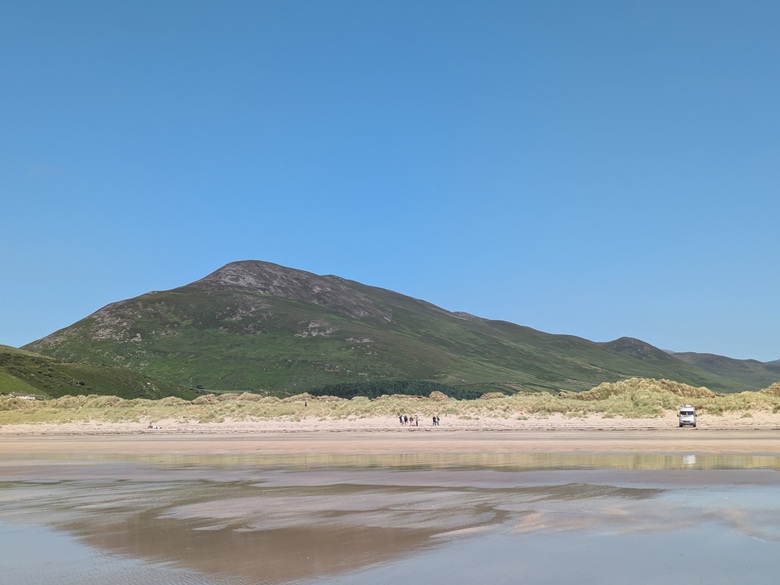
Wild camping in Ireland is more complicated than simply being "allowed" or "prohibited". Much of the land is privately owned, so permission from the landowner is usually essential.
Campervan travellers will also encounter signs such as "No Overnight Parking" or local restrictions at popular beaches, car parks and tourist attractions. Respect these restrictions and use an official campsite or authorised overnight stop where necessary.
If a private landowner explicitly gives you permission to stay, this can provide a great alternative to a conventional campsite.
Southern Europe: check the rules carefully
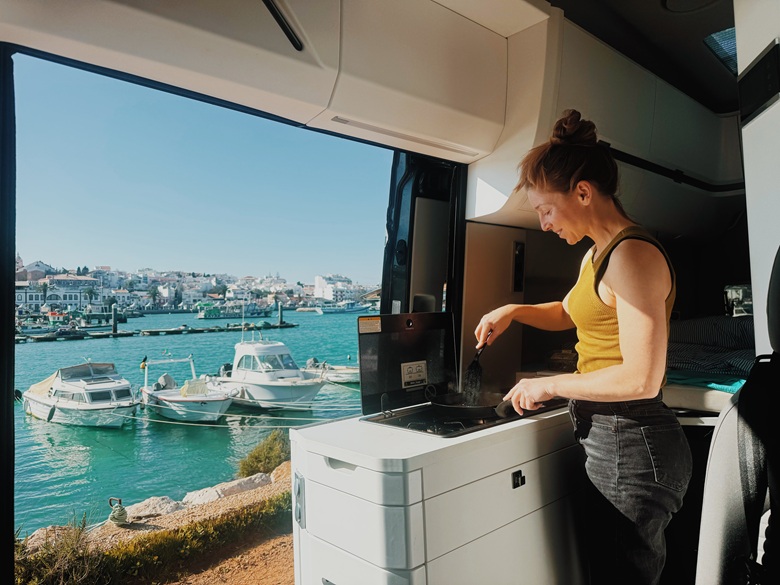
In France, Italy and Spain, wild camping and overnight parking rules vary by region and municipality, and protected areas and popular tourist destinations often have particularly strict restrictions. The difference between simply parking your vehicle and actually camping – for example by putting out chairs or extending your awning – can also be important.
If you plan to spend the night outside a campsite, always check the local signs and regulations first. This is particularly important along popular coastlines, around beaches and close to major tourist attractions.
Portugal tightened its rules for motorhomes in 2021 before subsequently adjusting them. Overnight stays in approved motorhomes are permitted in many places for up to 48 hours within the same municipality, but there are exceptions, including protected areas and locations with local restrictions. Proper camping outside authorised areas remains prohibited.
Cyprus can be more of a grey area, but you shouldn't assume that a lack of signs means camping is automatically permitted. When in doubt, choose an official campsite.
Wild camping in Eastern Europe: rules vary by country
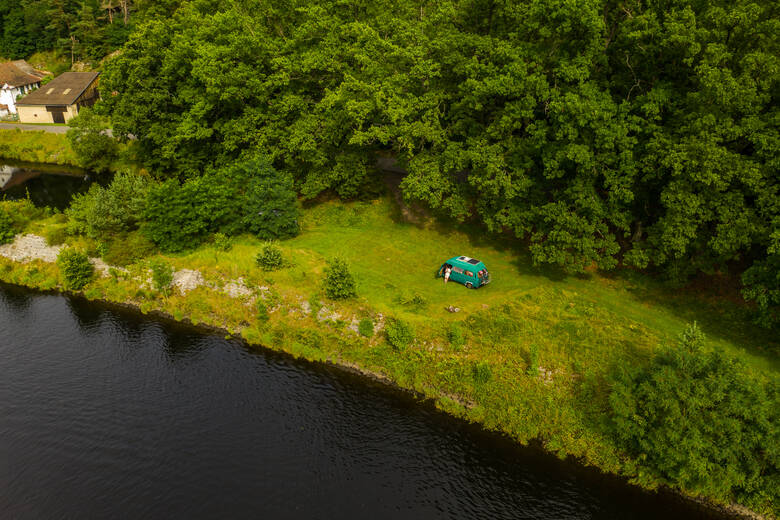
Across Eastern and South-Eastern Europe, regulations differ significantly. In countries such as Croatia, Greece, Slovenia and Hungary, camping outside designated campsites is generally heavily restricted.
The Baltic states – Estonia, Latvia and Lithuania – can offer more options for responsible overnight stays, including designated nature campsites and parking areas. However, local restrictions and private ownership still apply.
In popular tourist destinations such as Croatia and Greece, authorities can impose substantial fines for illegal camping. With plenty of official campsites available, it's usually not worth taking the risk.
What about popular long-haul destinations?
The same principle applies outside Europe: there is rarely a simple countrywide yes or no. Rules can vary by state, province, territory or municipality, and protected areas often have their own regulations.
Wild camping in North America
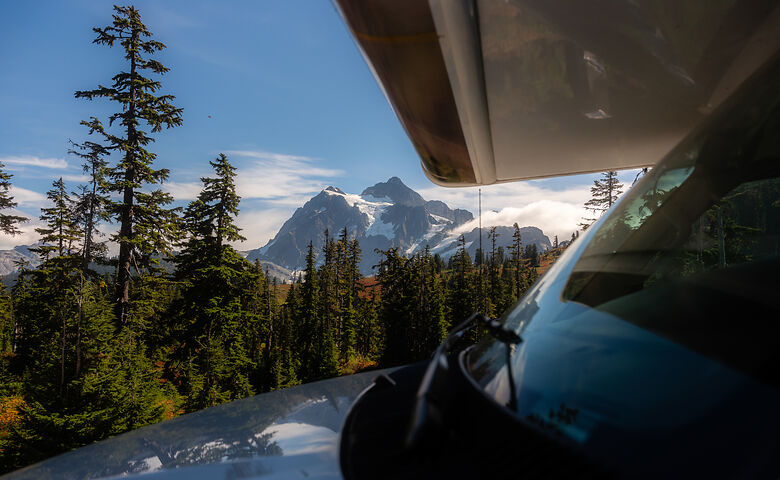
In the USA, the rules differ by state and by whoever manages the land. Although you can't simply park a campervan anywhere, there are large areas of public land where dispersed camping is permitted, including many areas managed by the Bureau of Land Management (BLM) and the US Forest Service.
Restrictions and maximum stays vary, so check the rules for the specific area before camping. National parks usually require you to stay at designated campsites, while backcountry camping may require a permit.
Canada follows a similarly regional approach. Rules vary by province and territory, while national parks have their own camping regulations. Crown land can provide legal camping opportunities in some provinces, but the conditions depend on your location and residency status.
Wildlife is another important consideration. Bears, changing weather conditions and wildfires mean that choosing a legal campsite isn't only about avoiding a fine – it can also be the safer option.
Wild camping in South America
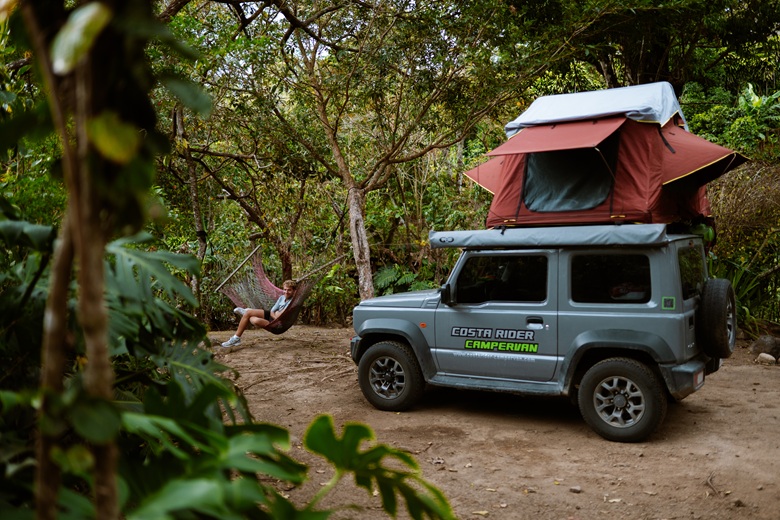
Planning a campervan adventure in South America? Regulations and local attitudes can vary enormously.
In Costa Rica, it's best to use established campsites or private overnight locations, particularly around national parks and protected areas.
Chile offers plenty of remote landscapes, particularly along routes such as the Carretera Austral. Even so, don't assume that empty land is public land. Check locally and ask permission if you're unsure.
In Peru, local rules and restrictions vary. Pay attention to signs, ask locally before staying somewhere overnight and prioritise secure locations.
Wild camping in Australia
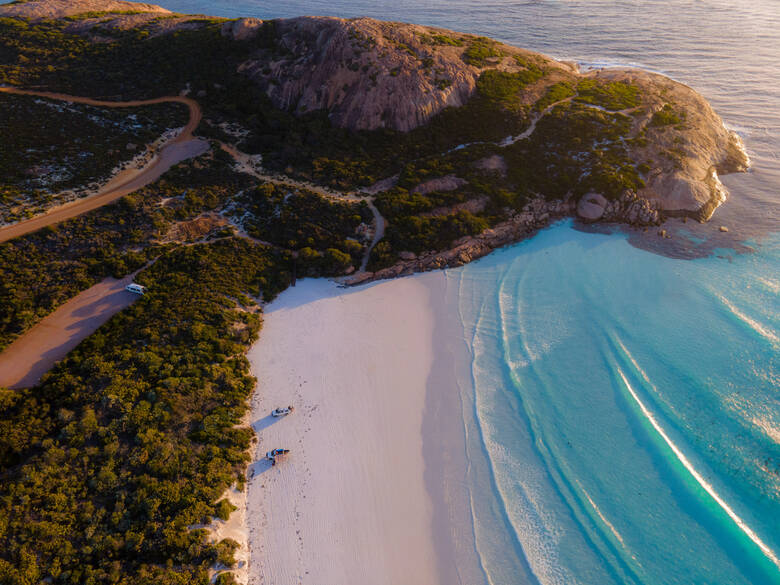
Australia has plenty of wide-open spaces, but that doesn't mean you can park a campervan anywhere for the night. Free camping rules vary between states, territories and local councils.
Many regions provide designated free or low-cost camping areas, while some national parks offer basic bush campsites for a small fee. Camping in unauthorised areas can result in fines.
Roadhouses can also be useful in the Outback. Many offer simple, inexpensive overnight facilities and are ideal for breaking up long drives through remote areas.
Wild camping in New Zealand
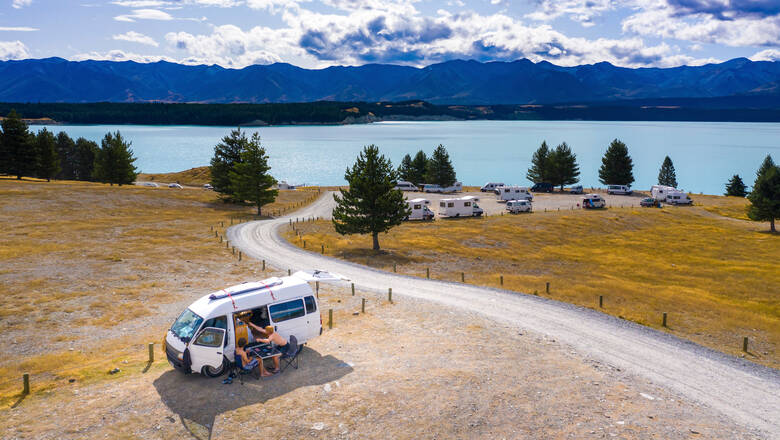
New Zealand is famous for freedom camping, but the rules have become increasingly regulated. Where you can stay depends on local council bylaws and the type of campervan you're driving.
If you're travelling in a self-contained campervan, you'll generally have more freedom-camping options than with a non-self-contained vehicle. However, being self-contained doesn't mean you can stay anywhere: local restrictions and prohibited areas still apply.
A great alternative is the network of campsites run by New Zealand's Department of Conservation (DOC). There are hundreds across the country, ranging from very basic sites to serviced campsites, often in beautiful locations.
Wild camping in South Africa and Namibia
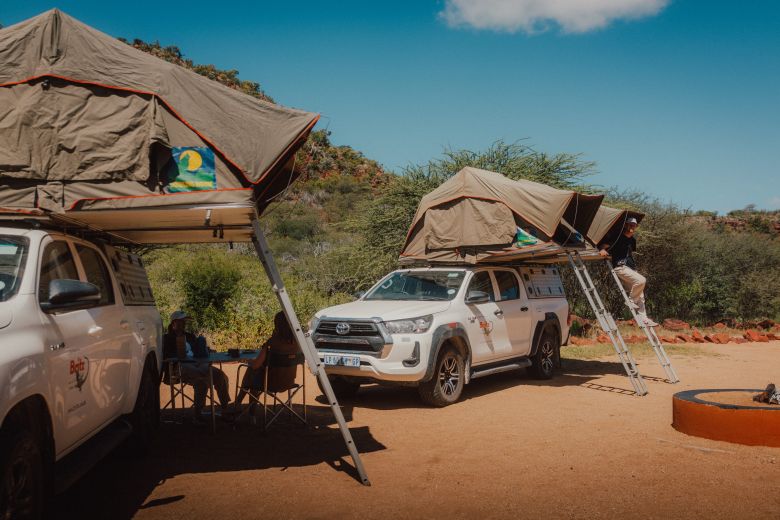
In South Africa and Namibia, staying at official campsites is generally the safest and most practical choice. Large areas are privately owned, while national parks and wildlife reserves have strict rules about where visitors can spend the night.
There is also a very good reason for this: wildlife. Even if you're travelling in a 4x4 with a rooftop tent, you're still spending the night in areas inhabited by wild animals, and designated campsites offer a much safer environment.
If you want to camp on private land, always ask the owner for permission first.
Wild camping in Japan: great alternatives are available
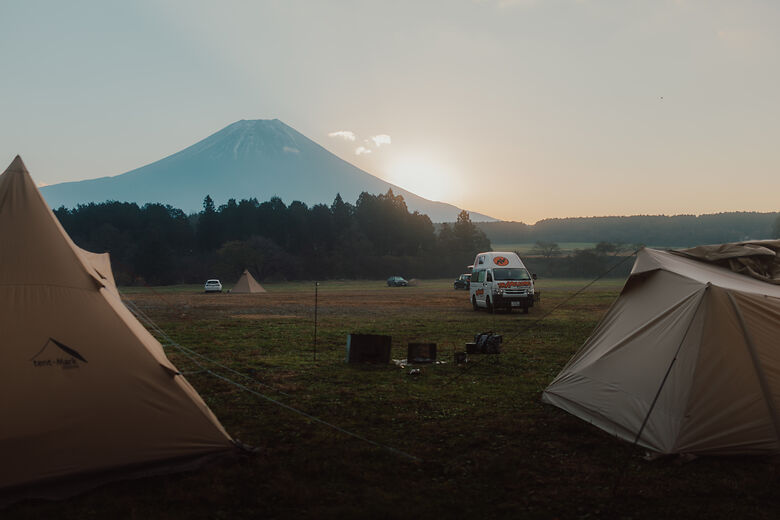
Exploring Japan by campervan is becoming increasingly popular, and it's a brilliant way to discover places beyond the country's major cities and railway routes.
Rather than relying on wild camping, use designated campsites, motorhome parks and other authorised overnight facilities. Japan also has an extensive network of roadside stations known as michi-no-eki, which are useful places to stop and rest during a road trip. However, they shouldn't automatically be treated as campsites, so always follow the rules displayed at each location.
Wild camping responsibly: our final tips
Wherever you're travelling, the most important rule is to respect the place you're visiting. The fact that a location looks remote doesn't necessarily mean you're allowed to spend the night there.
Check local rules, pay attention to signs, stay away from protected or private land unless you have permission and leave absolutely nothing behind. And remember: rules for wild camping with a tent often differ from those for overnight stays in a campervan or motorhome.
If you're unsure, choosing an official campsite or designated motorhome stop is usually the easiest solution. You'll sleep better knowing you're allowed to be there – and can save the adventure for the road ahead.

Do you have any feedback on the article, questions about booking a motorhome, or are you looking for tips? Then feel free to write to us here. We will get back to you as soon as possible.